
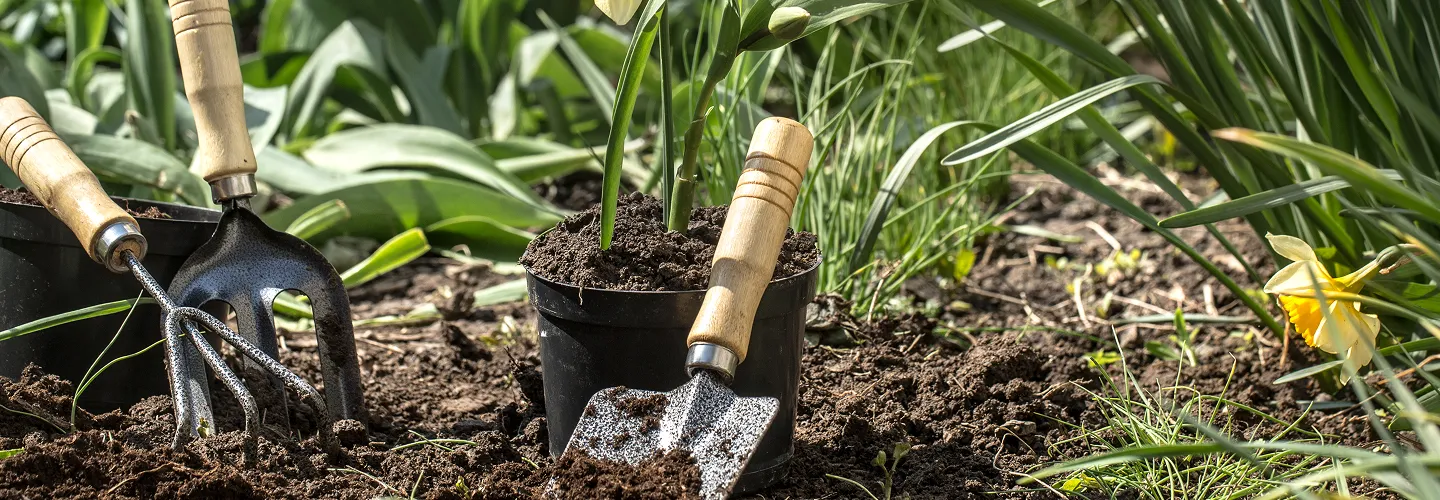
Tampa Flower Bed Maintenance Services
Choose our Flower Bed Maintenance for expert care, vibrant blooms, and a hassle-free experience that keeps your garden looking its best season after season.
Get a Free QuoteOur Tampa Landscaping & Yard Care Services
When to Schedule Flower Bed Maintenance in Tampa, Florida – Seasonal Guide
In Tampa, Florida, the subtropical climate means flower bed maintenance is a year-round consideration, but timing your efforts can make a significant difference in plant health and curb appeal. The best periods for comprehensive maintenance are early spring (late February to March) and late fall (October to early November), when temperatures are moderate and rainfall is more predictable. These windows allow for pruning, mulching, and planting without the stress of summer heat or the rare but possible winter chill.
Local factors such as the proximity to the Hillsborough River, the shade provided by mature oaks in Hyde Park, and the sandy soils common in neighborhoods like Carrollwood all play a role in determining the ideal maintenance schedule. Tampa’s last frost date typically falls in early February, so scheduling tasks after this period reduces the risk of cold damage. Additionally, areas prone to drought or heavy summer rains—like those near Al Lopez Park—require tailored approaches to irrigation and soil amendment. For more information on local environmental guidelines, visit the Sudbury municipal site.
Local Factors to Consider for Flower Bed Maintenance in Tampa
- Tree density and shade coverage (e.g., mature canopies in Seminole Heights)
- Soil type and drainage, especially in low-lying or sandy areas
- Seasonal precipitation patterns and drought risk
- Proximity to water bodies or flood-prone zones
- Municipal restrictions on watering or fertilizer use
- Terrain and slope, which affect runoff and erosion
- Neighborhood-specific microclimates and exposure to wind or salt air
Benefits of Flower Bed Maintenance in Tampa
Enhanced Curb Appeal
Weed and Pest Prevention
Healthier Plant Growth
Seasonal Color Management
Professional Expertise
Time and Effort Savings
Tampa Flower Bed Maintenance Types

Seasonal Mulching
-
Weed Control
-
Soil Amendment
-
Pruning and Deadheading
-
Fertilization
-
Pest and Disease Management
-
Edging and Bed Redefining
Our Flower Bed Maintenance Process
Site Evaluation
Weed Removal
Soil Preparation
Plant Care
Mulching
Why Choose Tampa Landscape Services
-
Tampa Homeowners Trust Us
-
Expert Lawn Maintenance
-
Reliable Scheduling
-
Competitive Pricing
-
Professional Team
-
Satisfaction Guarantee
-
Personalized Service
Coordinating Flower Bed Maintenance with Tampa’s Parks and Public Works Departments
Flower bed maintenance in Tampa frequently intersects with city operations, especially in public-facing landscapes, medians, and neighborhood entrances. The Tampa Parks and Recreation Department oversees standards for public greenspaces, while the Tampa Public Works Department manages right-of-way maintenance and debris collection. Residents and property managers should be aware that vegetative debris from flower bed upkeep—such as pruned stems, spent blooms, and mulch trimmings—must be properly contained and placed for collection according to city guidelines. Improper disposal can obstruct storm drains or contribute to neighborhood code violations. For projects near public sidewalks or medians, coordination with the city may be required to avoid disrupting pedestrian access or city irrigation infrastructure. When in doubt, verify collection schedules and right-of-way rules before scheduling major bed cleanups.
Tampa Parks and Recreation Department
4810 North Himes Avenue, Tampa, FL 33614
Phone: (813) 274-8184
Official Website: Tampa Parks and Recreation Department
Tampa Public Works Department
306 East Jackson Street, Tampa, FL 33602
Phone: (813) 274-8411
Official Website: Tampa Public Works Department
How Tampa’s Gulf Coast Climate and Soils Shape Flower Bed Maintenance
Tampa’s Gulf Coast location brings a humid subtropical climate, with long, hot summers, high rainfall from June through September, and mild, dry winters. These conditions directly affect flower bed maintenance:
- Sandy and fill-based urban soils are common, leading to rapid drainage and frequent nutrient leaching, which can stress shallow-rooted annuals and perennials.
- Intense summer heat and humidity increase the need for mulch to moderate soil temperature and retain moisture, but also accelerate organic mulch breakdown.
- Heavy rainfall events can cause runoff, especially on sloped beds or near pavement, making it essential to maintain mulch barriers and avoid fertilizer or debris washing into storm drains, canals, or retention ponds.
The USDA Plant Hardiness Zone for Tampa is 10a, supporting a wide range of subtropical and tropical ornamentals, but also requiring attention to salt exposure in coastal neighborhoods and fungal disease pressure during the wet season. Irrigation is often necessary during spring dry spells, but overwatering can promote root rot and runoff.
Regulatory Considerations for Flower Bed Maintenance in Tampa
Several regulatory frameworks guide flower bed maintenance in Tampa. The city enforces property maintenance codes that address overgrowth, debris accumulation, and visibility at intersections. For beds adjacent to public rights-of-way, residents must avoid obstructing sidewalks or sightlines. The Tampa Code Enforcement Department responds to complaints regarding nuisance vegetation and improper debris disposal. Additionally, the Florida Statutes §403.9337 establishes model ordinances for fertilizer use, which may affect flower bed fertilization near water bodies. Stormwater runoff from beds must be managed to prevent nutrient and sediment discharge, in line with Florida DEP’s NPDES Stormwater Program. For pesticide or herbicide use, applicators must comply with FDACS Pesticide Applicator Licensing.
Tampa Code Enforcement Department
4900 West Lemon Street, Tampa, FL 33609
Phone: (813) 274-5545
Official Website: Tampa Code Enforcement Department
Professional Methods and Seasonal Timing for Tampa Flower Beds
Effective flower bed maintenance in Tampa requires adapting to the city’s climate and urban context. Key professional standards include:
- Inspecting and adjusting irrigation emitters regularly to ensure efficient water delivery and prevent overspray onto pavement or storm drains, as recommended by EPA WaterSense Outdoors.
- Maintaining a mulch layer of 2–3 inches to suppress weeds, conserve moisture, and reduce soil temperature fluctuations, but keeping mulch clear of plant stems to prevent rot.
- Scheduling deadheading, pruning, and seasonal replanting before the onset of the wet season to minimize fungal disease risk and reduce debris during peak rainfall.
- Selecting plant species suited to Tampa’s hardiness zone and soil drainage, referencing the USDA Plant Hardiness Zone Map and UF/IFAS Gardening Solutions.
- Avoiding fertilizer or pesticide application before heavy rain is forecast, to prevent runoff into local waterways.
What Neighborhoods Do We Serve Throughout Tampa, FL?
- Hyde Park This historic district features mature landscaping, shaded lots, and established irrigation systems, requiring careful bed maintenance to manage leaf litter and root competition.
- New Tampa Newer subdivisions here often have fill-based soils and HOA-managed common areas, with flower beds exposed to full sun and rapid drainage.
- Seminole Heights Older lots with large trees and mixed sun/shade conditions demand flexible plant selection and frequent mulch replenishment.
- Westshore Commercial and residential properties near major roadways face reflected heat and runoff challenges, making mulch and irrigation management critical.
- Davis Islands Waterfront exposure increases salt stress and drainage sensitivity, requiring salt-tolerant plantings and careful fertilizer use.
- Carrollwood Larger lots with mature trees and pond adjacency often need extra attention to runoff control and debris management.
- South Tampa Dense urban lots with limited green space benefit from efficient irrigation and compact, low-maintenance bed designs.