
Tampa Junk Removal Services
Choose us for your junk removal needs and experience prompt service, transparent pricing, and a commitment to eco-friendly disposal—making your cleanout stress-free from start to finish.
Get a Free QuoteOur Tampa Landscaping & Yard Care Services
When to Schedule Junk Removal in Tampa, Florida – Seasonal Guide
In Tampa, Florida, timing your junk removal can make a significant difference in both convenience and efficiency. The region’s subtropical climate means that humidity, rainfall, and temperature shifts play a major role in when outdoor projects are best tackled. For example, the months following the last frost—typically late February to early March—are ideal for clearing out yard debris and unwanted items before the intense summer heat and hurricane season arrive. Neighborhoods like Hyde Park and Seminole Heights, with their mature tree canopies and older homes, often require seasonal cleanouts to manage leaf litter and bulky waste.
Local environmental factors such as high humidity, sandy soils, and the risk of summer droughts can impact how and when junk removal should be scheduled. Areas near the Hillsborough River or around Al Lopez Park may experience more shade and moisture, affecting the decomposition of organic debris and the growth of mold or mildew. Additionally, Tampa’s municipal guidelines and local resources provide helpful information on disposal restrictions and recycling options, ensuring your cleanup is both efficient and compliant.
Local Factors to Consider for Junk Removal in Tampa
- Tree density and seasonal leaf drop, especially in neighborhoods with mature oaks
- Terrain and soil type, such as sandy or clay-heavy areas impacting access
- Precipitation patterns, including summer storms and hurricane season
- Municipal restrictions on bulk pickup and hazardous waste disposal
- Shade coverage influencing debris accumulation and mold risk
- Proximity to water bodies, which can affect moisture levels and cleanup needs
Benefits of Junk Removal in Tampa

Fast and Reliable Service
Eco-Friendly Disposal
Licensed and Insured Team
Affordable Upfront Pricing
Flexible Scheduling Options
Comprehensive Clean-Up Solutions
Tampa Junk Removal Types

Yard Waste Removal
Removal of grass clippings, branches, leaves, and other organic debris from landscaping projects.
-
Tree and Shrub Debris Disposal
Safe and efficient disposal of fallen trees, shrubs, and large plant materials.
-
Landscape Rock and Gravel Hauling
Clearing and hauling away unwanted rocks, gravel, and stones from your property.
-
Soil and Dirt Removal
Extraction and disposal of excess soil, dirt, and fill material from landscaping work.
-
Mulch and Compost Cleanup
Removal of old mulch, compost piles, and other biodegradable landscaping materials.
-
Outdoor Structure Demolition
Demolition and removal of sheds, gazebos, fences, and other outdoor structures.
-
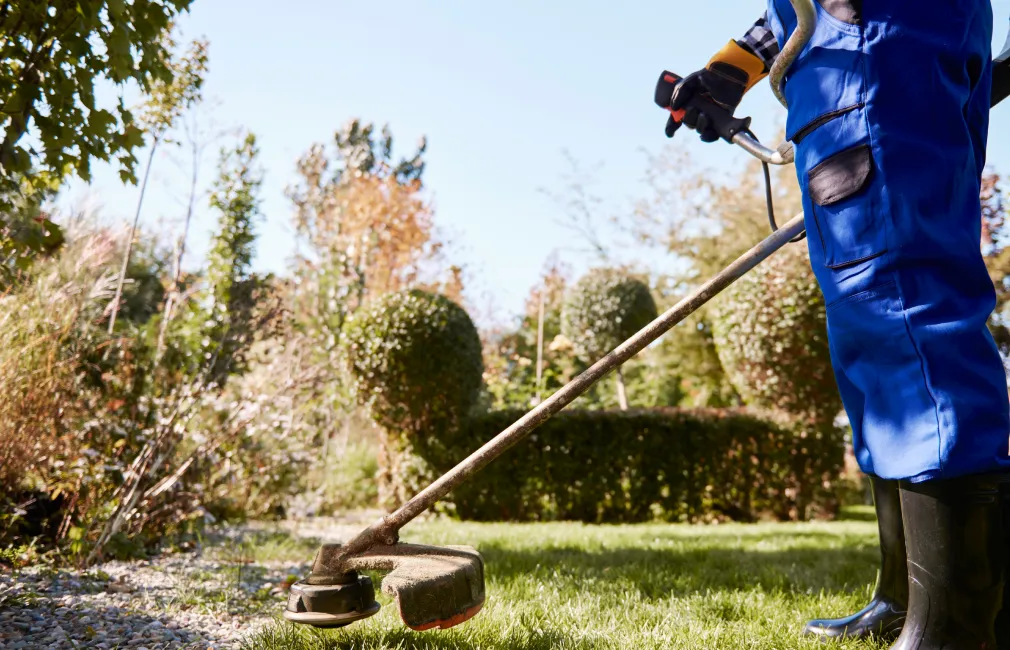
Garden Equipment Disposal
Responsible disposal of broken or unwanted landscaping tools and garden equipment.
Our Junk Removal Process
Site Evaluation
Customized Plan
Efficient Removal
Responsible Disposal
Final Inspection
Why Choose Tampa Landscape Services
-
Tampa Homeowners Trust Us
-
Expert Lawn Maintenance
-
Reliable Scheduling
-
Competitive Pricing
-
Professional Team
-
Satisfaction Guarantee
-
Personalized Service
Coordinating Bulk Junk Removal with Tampa’s Public Works and Neighborhood Access
Bulk junk removal in Tampa requires coordination with the city’s Department of Public Works, which manages curbside collection and disposal logistics for large items and non-hazardous debris. Residents and property managers must schedule bulk pickups in accordance with city guidelines, ensuring that items are placed at the designated curbside location without obstructing sidewalks, storm drains, or roadways. The city may require advance notice for oversized loads or items that require special handling. For multi-family properties or neighborhoods with limited street access, it is essential to verify collection points and timing to avoid service disruptions. Tampa’s public works teams also emphasize the importance of keeping debris out of swales, canals, and drainage inlets to prevent blockages and flooding during the wet season.
- Schedule bulk pickups through the city’s established process
- Place items at the curb without blocking drainage or pedestrian access
- Confirm collection days and procedures for your specific neighborhood
Tampa Public Works Department
306 E. Jackson Street, Tampa, FL 33602
Phone: 813-274-8411
Official Website: Tampa Public Works Department
How Tampa’s Gulf Coast Climate and Urban Soils Affect Junk Removal Logistics
Tampa’s Gulf Coast location brings high humidity, intense summer heat, and a pronounced wet season from June through September, all of which influence junk removal operations. The city’s soils are predominantly sandy or fill-based, with many neighborhoods built on reclaimed land or near water bodies, resulting in a high water table and rapid drainage. These conditions mean that improperly placed junk can quickly block swales or storm drains, especially during heavy rainfall events. Additionally, the proximity to canals, retention ponds, and the bay increases the risk of debris entering waterways, which can contribute to localized flooding and water quality issues. Junk removal must therefore be timed and executed to avoid peak storm periods and to ensure that materials do not impede drainage or contribute to runoff pollution.
Key local conditions impacting junk removal include:
- High rainfall and flash flooding risk during the wet season
- Sandy, fast-draining soils that can shift or erode around heavy debris
- Numerous canals, swales, and retention areas requiring clear access
Regulatory Requirements and Environmental Compliance for Junk Removal in Tampa
Junk removal in Tampa is governed by a combination of municipal codes and state environmental regulations. The city enforces rules regarding the placement, timing, and type of materials eligible for curbside collection, with specific prohibitions on hazardous waste, electronics, and construction debris. Code enforcement officers may issue citations for illegal dumping or for leaving items in the right-of-way outside of approved collection windows. Tampa’s stormwater management program, in alignment with the Florida DEP NPDES Stormwater Program, requires that all junk removal activities prevent debris from entering storm drains, canals, or other water bodies. The Clean Water Act further mandates that municipalities implement measures to reduce pollutant discharge from urban sources, making proper junk containment and disposal a regulatory priority.
- Only approved items may be placed for bulk collection; verify with the city for current lists
- Debris must not obstruct stormwater infrastructure or public rights-of-way
- Illegal dumping is subject to enforcement and penalties
Tampa Code Enforcement Department
4900 W. Lemon Street, Tampa, FL 33609
Phone: 813-274-5545
Official Website: Tampa Code Enforcement Department
Professional Standards and Timing for Safe, Compliant Junk Removal in Tampa’s Urban Environment
Effective junk removal in Tampa requires attention to both timing and method, especially given the city’s climate and infrastructure. Professionals typically schedule large-scale removals outside of peak wet-season months to minimize the risk of debris being washed into storm drains or canals. Items should be sorted to separate recyclable materials from general waste, and all debris must be securely contained until pickup to prevent wind or rain from scattering materials. For properties adjacent to water bodies or within flood-prone zones, extra precautions are necessary to keep junk away from drainage paths. The EPA’s guidance on stormwater discharges from municipal sources underscores the importance of preventing solid waste from entering urban runoff systems. Residents and managers should also be aware that access for removal vehicles may be limited in older neighborhoods with narrow streets or in gated communities, requiring advance planning.
- Schedule removals to avoid forecasted storms or heavy rain
- Keep all junk at least several feet from swales, inlets, and canal edges
- Use tarps or containers to secure loose debris until collection
- Confirm access routes for removal vehicles, especially in dense or restricted areas
Tampa Stormwater Pollution Prevention Program
306 E. Jackson Street, Tampa, FL 33602
Official Website: Tampa Stormwater Pollution Prevention Program
What Neighborhoods Do We Serve Throughout Tampa, FL?
- Hyde Park: Historic lots with mature landscaping and alley access require careful placement of bulk items to avoid narrow streets and drainage features.
- New Tampa: Larger subdivision lots and newer fill-based soils mean junk removal must account for HOA guidelines and stormwater retention areas.
- Seminole Heights: Older homes with limited frontage and tree canopy coverage often need coordinated curbside access for efficient debris pickup.
- Westshore: Proximity to canals and the bay increases the importance of keeping debris away from water-adjacent rights-of-way.
- South Tampa: Dense urban development and mixed drainage patterns require precise scheduling to avoid traffic and stormwater conflicts.
- Carrollwood: Established neighborhoods with larger yards and mature trees may generate more bulk waste, especially after storms or renovations.
- Downtown Tampa: High-density, mixed-use areas often require special coordination for junk removal due to limited curb space and pedestrian traffic.