
Tampa Weed Control Services
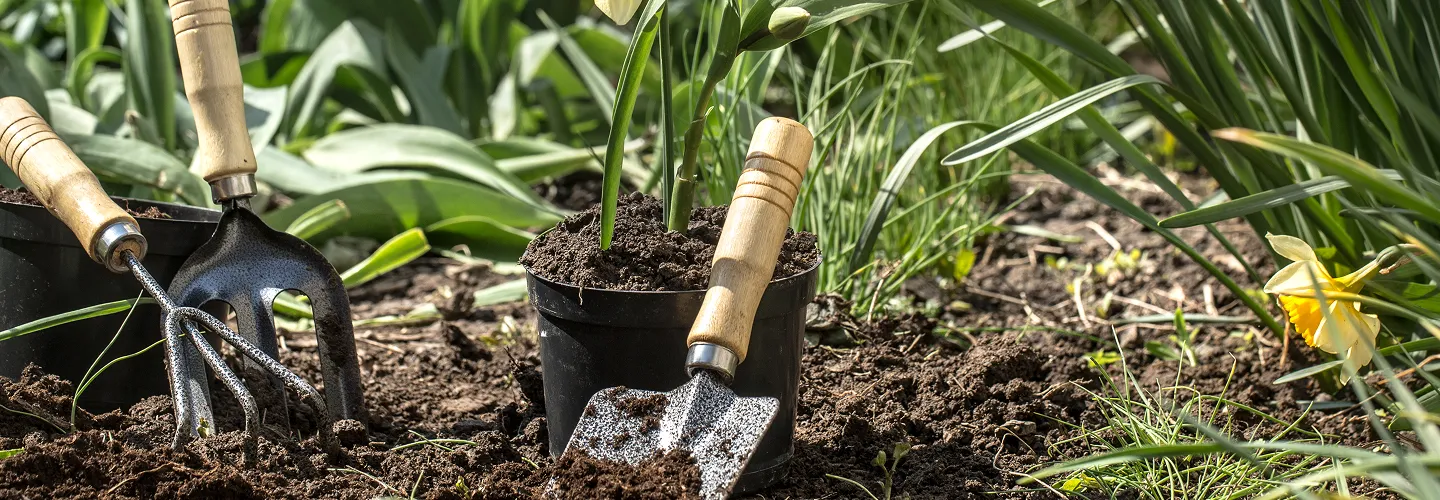
Choose our expert weed control services in Tampa for reliable, long-lasting results. We use proven methods and eco-friendly products to protect your lawn, ensuring a healthier, greener yard with less hassle for you.
Get a Free QuoteOur Tampa Landscaping & Yard Care Services
When to Schedule Weed Control in Tampa, Florida – Seasonal Guide
In Tampa, Florida, effective weed control hinges on understanding the region’s subtropical climate and unique landscape features. The optimal times for weed management are typically late winter through early spring and again in early fall, when temperatures are moderate and rainfall is more predictable. These windows allow for pre-emergent treatments before weeds become established, especially in neighborhoods like Hyde Park and Carrollwood, where lush lawns and ornamental beds are common. Tampa’s proximity to the Gulf means high humidity and frequent summer storms, which can accelerate weed growth and complicate control efforts if not timed correctly.
Local environmental factors play a significant role in determining the best schedule for weed control. For example, areas near Lettuce Lake Park or along the Hillsborough River may experience higher soil moisture and shade, fostering different weed species than sunnier, sandier yards in South Tampa. Homeowners should also consider the city’s last frost date—usually in late January—as well as periods of drought risk in late spring. For more information on local regulations and best practices, visit the official city resource.
Local Factors to Consider for Weed Control in Tampa
- Tree density and shade coverage (e.g., mature oaks in Seminole Heights)
- Soil type and drainage (sandy soils vs. clay-rich areas)
- Seasonal precipitation patterns and risk of drought
- Proximity to water bodies or wetlands
- Municipal restrictions or neighborhood association guidelines
- Terrain and slope, which affect runoff and herbicide application
- Frequency of lawn maintenance and mowing schedules
Benefits of Weed Control in Tampa
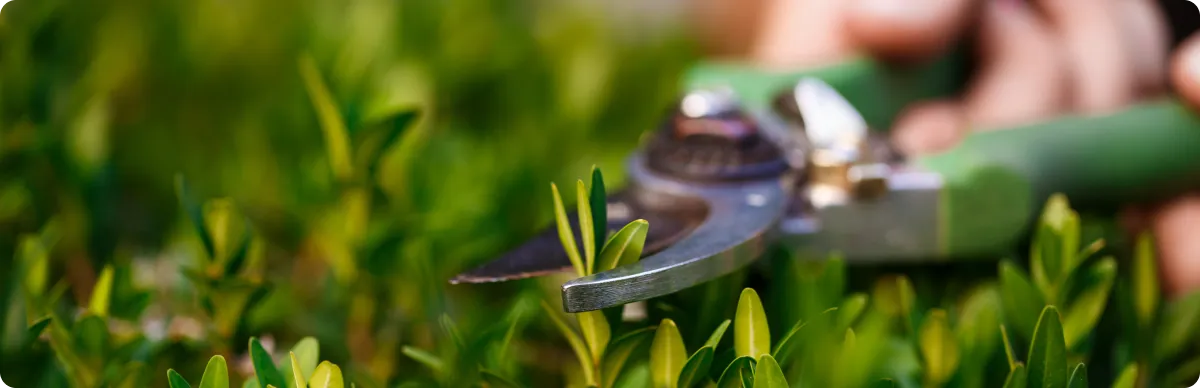
Enhanced Curb Appeal
Healthier Lawns and Gardens
Reduced Maintenance Time
Prevention of Pest Infestations
Improved Soil Quality
Long-Term Cost Savings
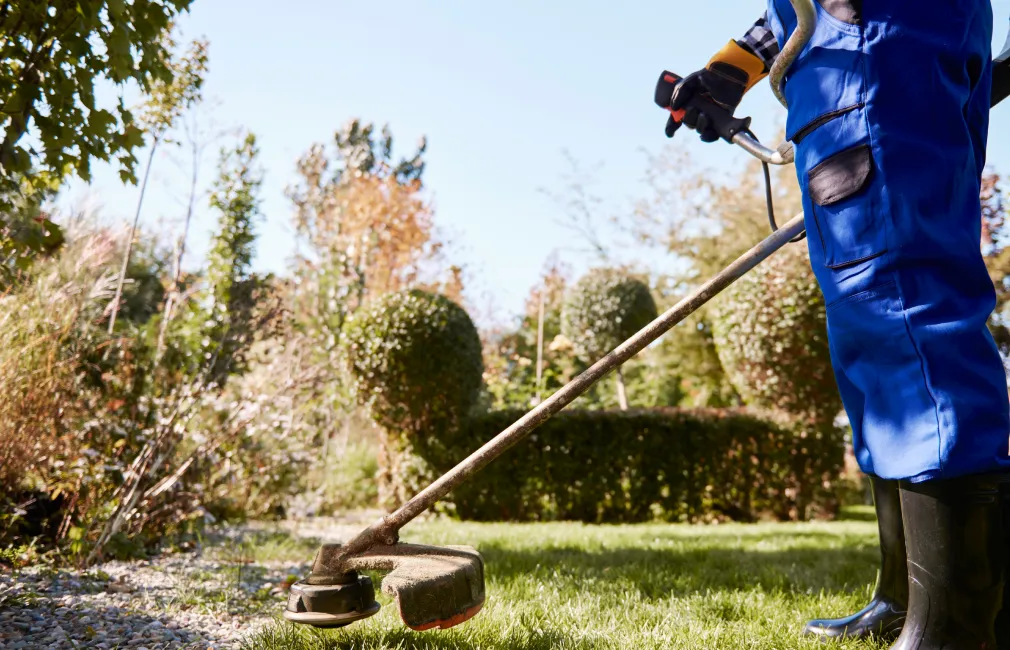
Tampa Weed Control Types

Pre-Emergent Weed Control
-
Post-Emergent Weed Control
-
Selective Herbicide Application
-
Non-Selective Herbicide Application
-
Manual Weed Removal
-
Mulching for Weed Suppression
-
Organic Weed Control Solutions
Our Weed Control Process
Site Evaluation
Weed Identification
Treatment Application
Follow-Up Inspection
Why Choose Tampa Landscape Services
-
Tampa Homeowners Trust Us
-
Expert Lawn Maintenance
-
Reliable Scheduling
-
Competitive Pricing
-
Professional Team
-
Satisfaction Guarantee
-
Personalized Service
Coordinating Weed Control with Tampa’s Stormwater and Public Works Programs
Effective weed control in Tampa requires close attention to both municipal stormwater management and public works procedures. The city’s extensive network of canals, swales, and storm drains means that improper application of herbicides or careless disposal of vegetative debris can contribute to waterway pollution and drainage blockages. Residents and property managers are expected to prevent yard waste, clippings, and chemical runoff from entering curb inlets or canal edges. The Tampa Public Works Department oversees right-of-way maintenance and debris collection, while the Stormwater Pollution Prevention Program provides guidance on protecting local water quality. For large-scale weed removal or when working near drainage infrastructure, coordinate with these departments to ensure compliance with city protocols and to avoid unintentional environmental impacts.
Tampa Public Works Department
306 E. Jackson St., Tampa, FL 33602
Phone: 813-274-8411
Official Website: Tampa Public Works Department
Tampa Stormwater Pollution Prevention Program
306 E. Jackson St., Tampa, FL 33602
Phone: 813-274-3101
Official Website: Tampa Stormwater Pollution Prevention Program
How Tampa’s Gulf Coast Climate and Soils Shape Weed Control Needs
Tampa’s Gulf Coast location brings a humid subtropical climate, with long, hot summers, high humidity, and a pronounced wet season from June through September. These conditions accelerate weed growth, especially in sandy or fill-based urban soils that are common throughout the city. Key local factors influencing weed control include:
- Sandy soils with rapid drainage, leading to nutrient leaching and frequent weed flushes after heavy rain
- High water tables and proximity to canals, ponds, and retention basins, increasing the risk of herbicide runoff
- Intense summer heat and humidity, which can stress turf and favor aggressive warm-season weeds such as crabgrass and sedges
The USDA Plant Hardiness Zone for Tampa is 10a, supporting warm-season turfgrasses like St. Augustinegrass and bahiagrass, which require tailored weed management strategies. Irrigation dependence is also high, but overwatering can exacerbate weed pressure and runoff concerns. For more on local turf and climate adaptation, consult UF/IFAS Gardening Solutions - Lawns and the USDA Plant Hardiness Zone Map.
Regulatory Requirements for Weed Control in Tampa: Licensing, Runoff, and Code Enforcement
Weed control activities in Tampa are subject to both municipal and state regulations. The use of herbicides, especially on larger properties or in commercial settings, may require a licensed applicator as outlined by the FDACS Pesticide Applicator Certification and Licensing. Tampa’s code enforcement division monitors for overgrown vegetation, nuisance weeds, and improper debris disposal, which can result in citations if not addressed. Additionally, the city’s stormwater program enforces measures to prevent chemical and sediment runoff into the municipal separate storm sewer system (MS4), in accordance with the Florida DEP NPDES Stormwater Program. Residents should:
- Confirm if a licensed applicator is required for herbicide use on their property
- Avoid applying chemicals before forecasted rain to reduce runoff risk
- Keep all yard waste and clippings out of storm drains, swales, and canal edges
Tampa Code Enforcement Department
306 E. Jackson St., Tampa, FL 33602
Phone: 813-274-5545
Official Website: Tampa Code Enforcement Department
Timing and Professional Standards for Weed Control in Tampa’s Warm, Wet Climate
Professional weed control in Tampa is guided by the region’s warm-season weed cycles and the need to protect water quality. Pre-emergent herbicides are typically applied in late winter or early spring, before the onset of the wet season, to target annual grassy weeds. Post-emergent treatments are timed to address visible weeds during active growth, but should be avoided during periods of heavy rainfall to minimize runoff. Integrated Pest Management (IPM) is recommended, combining cultural, mechanical, and chemical methods to reduce reliance on herbicides. Key standards include:
- Mowing turf at the recommended height for the species to shade out weed seedlings
- Using spot treatments rather than blanket applications to limit chemical exposure
- Scheduling applications when rain is not expected for at least 24 hours
- Monitoring for weed flushes after storms and addressing them promptly
For further technical guidance, refer to UF/IFAS Gardening Solutions - Lawn Maintenance and Care and the Florida DEP NPDES Stormwater Program.
What Neighborhoods Do We Serve Throughout Tampa, FL?
- Hyde Park This historic district features mature landscaping, older lots, and established shade trees, requiring careful weed management around sidewalks and parkways.
- New Tampa Characterized by newer subdivisions with fill-based soils and extensive irrigation systems, weed control must address rapid growth and drainage patterns.
- Seminole Heights With a mix of older homes and diverse lot sizes, this area often faces weed pressure in both turf and ornamental beds, especially near swales and alleys.
- Westchase Planned communities with HOA oversight and retention ponds demand precise weed control to protect water features and maintain uniform appearance.
- Davis Islands Waterfront exposure and sandy soils increase the risk of salt-tolerant weeds and runoff into adjacent canals, requiring specialized approaches.
- Carrollwood Larger lots and mature trees create both sun and shade zones, influencing weed species and control timing throughout the year.
- Palma Ceia Dense urban lots with limited green space require targeted weed management to prevent encroachment onto hardscape and drainage inlets.