
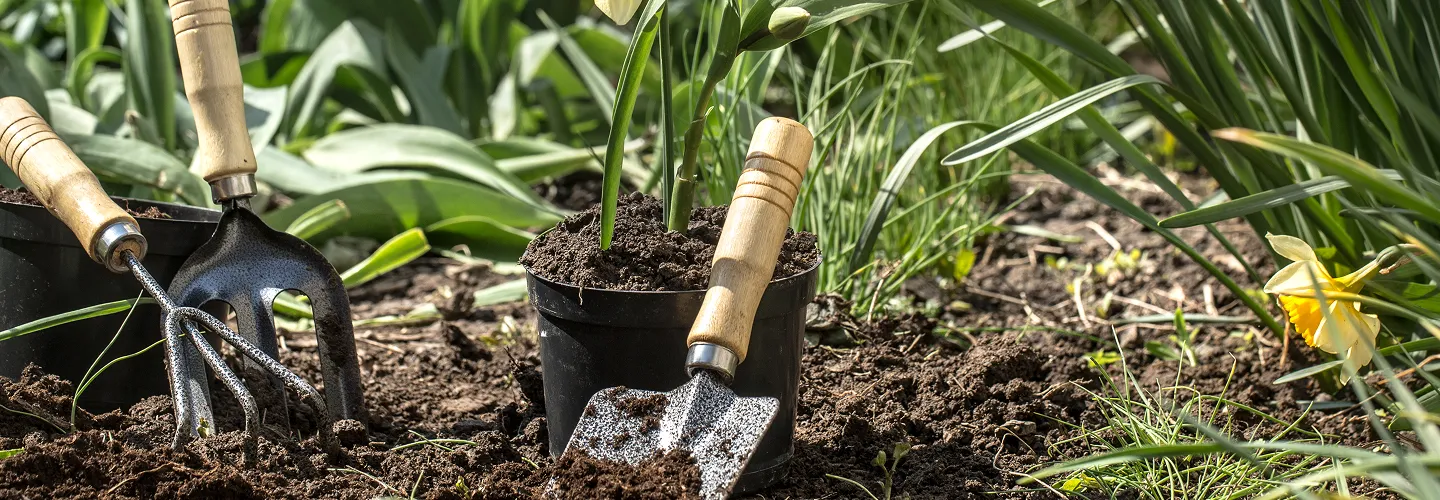
Tampa Green Waste Disposal Services
Choose our Green Waste Disposal for reliable, environmentally responsible removal of yard debris—keeping your property clean while supporting a greener Tampa.
Get a Free QuoteOur Tampa Landscaping & Yard Care Services
When to Schedule Green Waste Disposal in Tampa, Florida – Seasonal Guide
In Tampa, Florida, the best times to schedule green waste disposal are closely tied to our unique subtropical climate and the rhythms of local plant growth. With mild winters and long, humid summers, most homeowners in neighborhoods like Hyde Park, Seminole Heights, and near the University of Tampa find that late winter through early spring is ideal for major yard cleanups. This period, just after the last frost date and before the onset of heavy summer rains, allows for efficient removal of fallen branches, palm fronds, and accumulated debris without interfering with new growth.
Local environmental factors such as high humidity, sandy soils, and the risk of summer droughts also play a role in determining the optimal disposal schedule. For example, properties shaded by mature oaks in Davis Islands may accumulate more leaf litter, while areas near Al Lopez Park might experience faster grass and shrub growth due to richer soils. Additionally, Tampa’s municipal guidelines and seasonal collection schedules—available through resources like the City of Sudbury’s website—should be reviewed to ensure compliance and maximize efficiency.
Local Factors to Consider for Green Waste Disposal in Tampa
- Tree density and types (e.g., live oaks, palms, magnolias)
- Proximity to water bodies or flood-prone areas
- Typical precipitation patterns and hurricane season timing
- Soil composition (sandy vs. loamy)
- Shade coverage and sun exposure
- Neighborhood-specific municipal restrictions or collection schedules
Benefits of Green Waste Disposal in Tampa
Eco-Friendly Landscaping Solutions
Efficient Green Waste Removal
Promotes Healthy Plant Growth
Reduces Landfill Waste
Supports Local Sustainability
Enhances Property Curb Appeal
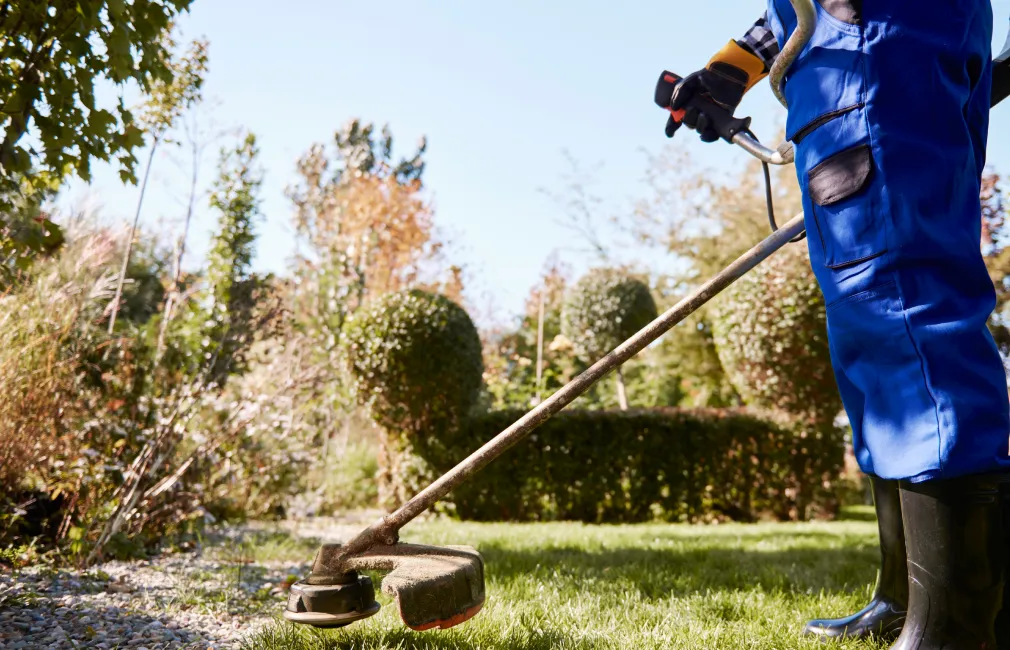
Tampa Green Waste Disposal Types

Yard Debris Removal
-
Tree Limb Disposal
-
Grass Clipping Collection
-
Leaf Pickup Services
-
Shrub and Bush Disposal
-
Garden Waste Recycling
-
Mulch and Composting Solutions
Our Green Waste Disposal Process
Collection of Green Waste
Sorting and Separation
Transport to Disposal Facility
Eco-Friendly Processing
Why Choose Tampa Landscape Services
-
Tampa Homeowners Trust Us
-
Expert Lawn Maintenance
-
Reliable Scheduling
-
Competitive Pricing
-
Professional Team
-
Satisfaction Guarantee
-
Personalized Service
Tampa’s Public Works Coordination for Green Waste Disposal
Green waste disposal in Tampa is managed through a coordinated effort by the Tampa Public Works Department, which oversees the collection and processing of yard debris, including leaves, grass clippings, branches, and other vegetative material. Residents and property managers must ensure that green waste is properly separated from household trash and placed at the curb in accordance with city guidelines. Bundling branches, using approved containers, and avoiding obstruction of storm drains are essential steps to facilitate efficient collection and prevent neighborhood flooding. For larger volumes or storm debris, the city may provide special collection schedules or designated drop-off sites. It is important to verify current collection procedures, as improper disposal can result in code enforcement actions or service delays.
Tampa Public Works Department
306 E. Jackson Street, Tampa, FL 33602
Phone: 813-274-8411
Official Website: Tampa Public Works Department
How Tampa’s Gulf Coast Climate and Soils Shape Green Waste Disposal
Tampa’s Gulf Coast location brings a humid subtropical climate, with long, hot summers, high humidity, and a pronounced wet season from June through September. These conditions accelerate plant growth and increase the volume of green waste, especially after summer storms. The city’s soils are predominantly sandy or fill-based, which can lead to rapid drainage but also increase the risk of nutrient leaching and erosion if green waste is not managed properly. Many neighborhoods are adjacent to canals, swales, or retention ponds, making it critical to keep organic debris out of drainage systems to prevent blockages and protect water quality. Key local factors include:
- High rainfall during the wet season, leading to frequent yard debris accumulation
- Sandy soils that require careful management to avoid runoff and sedimentation
- Proximity to waterways, increasing the importance of debris containment and timely removal
Regulatory Requirements and Environmental Compliance for Tampa Green Waste
Tampa enforces specific regulations for green waste disposal to protect public health, maintain neighborhood standards, and comply with state and federal environmental mandates. Residents must follow city code regarding the placement, bundling, and timing of yard waste set-outs. The Tampa Code Enforcement Department monitors compliance and may issue citations for improper disposal, such as dumping debris in vacant lots or blocking storm drains. Additionally, Tampa participates in the Florida DEP NPDES Stormwater Program, which requires municipalities to prevent organic debris from entering stormwater systems, in alignment with the Clean Water Act. Commercial properties and large-scale generators may be subject to additional review or disposal requirements, and all parties should confirm current rules before initiating major cleanups.
Tampa Code Enforcement Department
4900 W. Lemon Street, Tampa, FL 33609
Phone: 813-274-5545
Official Website: Tampa Code Enforcement Department
Professional Methods and Timing for Green Waste Disposal in Tampa’s Environment
Effective green waste disposal in Tampa requires attention to both timing and technique, especially given the city’s rapid vegetative growth and frequent rainfall. Professional standards recommend:
- Scheduling major yard cleanups before the onset of the wet season to minimize storm-related debris
- Bundling branches in manageable lengths and using biodegradable bags for leaves and clippings
- Keeping all green waste at least several feet away from storm drains, canals, and swales to prevent blockages
- Avoiding disposal of soil, rocks, or non-organic materials with green waste, as these are not accepted in municipal yard waste streams
- Monitoring weather forecasts through the National Weather Service to avoid placing debris curbside ahead of heavy rain events
These practices help maintain neighborhood appearance, reduce the risk of flooding, and support Tampa’s compliance with EPA stormwater discharge regulations.
Tampa Stormwater Pollution Prevention Program
306 E. Jackson Street, Tampa, FL 33602
Phone: 813-274-3101
Official Website: Tampa Stormwater Pollution Prevention Program
What Neighborhoods Do We Serve Throughout Tampa, FL?
- Hyde Park This historic district features mature tree canopies and older lots, requiring careful green waste handling to protect brick streets and storm drains.
- New Tampa Subdivisions here often have larger lots and HOA-managed landscaping, with fill-based soils and extensive irrigation systems.
- Seminole Heights Characterized by established landscaping and proximity to the Hillsborough River, this area demands attention to debris containment near waterways.
- Westshore With a mix of commercial and residential properties, green waste disposal must account for access constraints and drainage infrastructure.
- Davis Islands Waterfront lots and frequent exposure to salt spray make proper green waste management essential for both aesthetics and stormwater protection.
- Carrollwood This area’s mature landscaping and numerous retention ponds require regular debris removal to maintain drainage and neighborhood standards.
- South Tampa Dense development and a mix of older and newer homes mean green waste must be managed to avoid curbside congestion and protect swale systems.